Sunday, May 30, 2010

los tigres


Easily the best piece of music writing I've come across in the New Yorker in many moons (sigh, where do I begin with the travesty that was Sasha-Frere Jones's woeful and uninsightful-with-full-access LCD profile?), Alec Wilkinson's piece of norteño superstars, Los Tigres del Norte will be on my ballot come Best Music Writing time. There are so many favorite bits here, from the scene at Randy's Ballroom in my hometown (known mostly to white folks for being a stop on both the Sex Pistols' legendary traipse through the south and for the Beastie Boys on the License to Ill tour) to Ry Cooder's recollection on seeing their fans down in Monterrey act out every line of every song to the last 'graph, where the band is brusquely searched by two cops, one treating them like illegals while the other asks for an autograph. But my favorite bit about Los Tigres comes from their press agent:
Most acts have to be taken through the kitchen when they return to their hotels, to avoid the fans in the lobby. Los Tigres have to go through the front door. "You take them through the kitchen, and you shut down the hotel," he said. "There is no room service, no more maid service, and the housekeeping closes down."

Friday, May 28, 2010

Sunday Beta


This week, in a rare double-double for The Village Voice, I wrote about the mighty fun and fine Sunday Best party, as well as a bit about the half-baked new Jamie Lidell album.

Wednesday, May 19, 2010

The 50 Greatest Hip-Hop Samples of All Time


Listicles, despite their objective presentation, are always line-in-the-sand subjective ones. I had fun spending the day with Kon + Amir's 50 Greatest Hip-Hop Samples of All Time, but by not representing it as their "favorites," but a conclusive sort of thing, one can find fault with the numerous David Axelrod inclusions and over-examination of the source material of A Tribe Called Quest tracks (and leaving off "Apache" and "Funky Drummer" in the process feels oddly a-historical). The pleasures are parallel though, digging both the originals and then how small fragments re-appear decades later to power what gets considered "the golden age" of hip-hop. Where it resonates for me the most though is not as an old-school hip-hop lesson (though it is that as well) but as a revisiting of personal history. Back when hip-hop soundtracked my high school ride and shitty kitchen boomboxes, the deep digging that producers like Paul C., Large Professor, Eric B., Dre, Prince Paul, and DJ Premier did was wholly lost on me back then.

Tuesday, May 18, 2010

betropolis

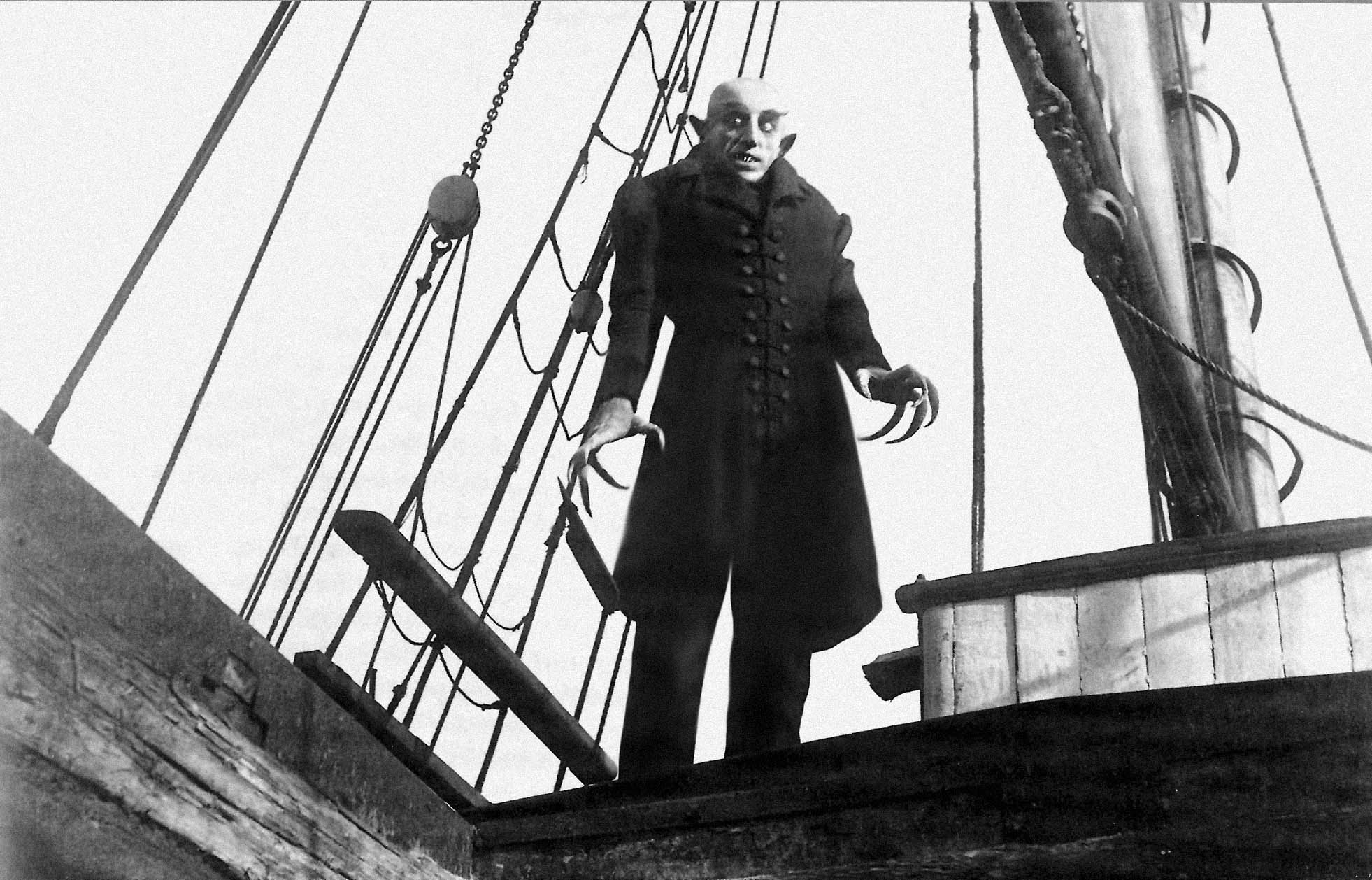
Despite modern hip-hop/ R&B's obsession with dehumanized vocalizings, did anyone really think that circa 2010, aesthetic trending would be German Expressionism via Fritz Lang's Metropolis? Are record executives now lining up for Film Forum's restored 153 minute version? And why is it that only the women singers are embracing that cold steel? And please tell me that rappers will start copping Nosferatu now.

Tuesday, May 11, 2010

Flying Lotus interview


Back in February, I rented a car and wound up in the Los Angeles neighborhood of Echo Park, to interview Stephen Ellison a/k/a Flying Lotus for Spin Magazine. To get to his pad, it required ascending steep hills and making abrupt turns onto hairpin roads. Reaching Fly Lo's home studio, tucked between dense verdure of vines and spiny palms, such a landscape befitted his music, which straddles the line between Gordian-knot complexity and ineffable gorgeousness. We rapped about his forthcoming album, lucid dreaming, and of course, his great-aunt Alice Coltrane, who remains one of my favorite musicians. I think my true admiration of her music got Ellison to go a bit deeper with me, but he truly is an open individual and the hang was a profound one.

What Warp stuff were you into back then?

I'd always loved the Broadcast stuff and obviously Aphex Twin, Squarepusher. I liked a bunch of that stuff, Chris Cunningham. I wasn't in the know. I liked those people but didn't make the connection that it was all the same label.

Aphex was one of the first guys that everyone realized you could listen to that wasn't a band. Did being on the label freak you out at all?

I never thought they'd be interested in what I was doing. I didn't think that was their avenue. They were in the UK. I was surprised. They were getting into a lot of rock and indie shit.

What is it like to have that platform?

I think it's so incredible. I think it's crazy. I'm into psychedelics and astral traveling and yet people are getting into it, a lot of people are getting that message. That's pretty wild. I just hope people dig this record.

Did you play music as a kid? Were you in a musical household?

Musical stuff was always happening. My grandmother used to write songs for Motown back in the day. There was always music happening around me. I was always messing around with instruments, playing with them like toys. I got to see my aunt a lot in the studio, see my grandmother work with people. A lot of my cousins make music, my cousin Ravi (Coltrane), my cousin Oran. Oran got me into making music in the first place. He was making music on an old Apple, the IIci, some software-based program, making tunes like that. Just the fact that you could make music like that, all by yourself with all these toys, tripped me out. He's Ravi's brother, but Ravi lives in New York, Oran lives in LA. He still does music. He's doing his thing. He's the one who gave me stuff first, toys and stuff. He's like a big brother to me.
I was born 1983, so when I was a kid, he'd have me around. I looked up to him. And he'd play video games with me and hear music together. Eventually, I started messing with toys and he got me my own piece, an MC-505. I was playing saxophone too at school, but I didn't take to it. I was on a beat thing. When I was 16, I started making beats on this machine. It was a hobby, I never had any other mentor other than my cousin. It was weird. Things have changed so much. You can go on YouTube and learn how to make beats. Back then, it was just a toy, not a tool.

If Oran is acting as your older brother, did he also act as a gateway for other music too, like Bad Brains or Public Enemy?

He turned me onto classical music, which I definitely give him credit for. He played me Stravinsky stuff. It just blew my mind, Stravinsky and then Tchaikovsky and then it was on. I learned about Prince and Björk from him. I was into west coast rap, Dr. Dre. Dre was my hero when I was 14. I was so into that g-funk shit.

When did the messing around start evolving towards what you were hearing?

When I was a kid, I just wanted to be Dre. That was it. That kind of shit. I didn't know anything about it. I made stuff and I thought it sounded cool. I wished I had a lot of that old stuff, back when I was super-innocent. I wish I had all that shit. It was just my thing. My mom knew it. I went to study film later on in life, in college. And my mom went “You're going to do something with music. I just know it.” and I was all “Really? I'm just tinkering around.”

Did you do stuff with rappers?

I tried to work with a lot of the MCs but I wasn't in a part of LA where a lot of creative shit was happening. A bunch of guys who think they're rappers. I mean, forget about producers, I didn't meet anyone making beats at all. That's why I was feeling like an alien; it didn't seem real to me at all. I let it go for awhile and made film.

What was the tipping point?

When I went to college I met this kid that I still work with. He goes by Dr. Strangeloop now. He put me onto using a laptop to make music. It had been MIDI and all that confusing stuff. But this stuff was straight out of the box making music. And I went, sign me up! And I stopped going to film school. I graduated from one school, but then dropped out. I was doing really experimental, retro-futuristic sci-fi stuff. I shot a lot of shit on 35mm. Shooting on film is my thing; I love that. I have an idea for the end of the year, a visual album. A 45-minute thing. But the music's been hitting like “bam-bam-bam-bam.” Now I can focus on the visuals for a minute. That's why I moved the studio stuff upstairs. I'm going to be doing a live AV set for tour. I also run a little label, vibing on that stuff.

Can I check out some visual stuff?
(We screen a video of him synching the music to visuals)


I was reading this interview about you and you said you were doing a documentary about Alice Coltrane, but you also stated it was too intense and you needed to step back from it. Are you still working on it?
I actually feel like I'm in a good place to start working on it again. I kept thinking I had to do an hour long thing. But it feels better now to do shorter vignettes. At the time I was making it, there was no YouTube. The idea of it being more viral, less a feature-length thing would be better. The time I spent with her, doing this thing, it was soooo amazing and so intense. I don't want to make too many edits to it. I just want people to see her in her element, people talking about her. Just see her do her thing.

What was her element?

We were in India. People would come out to see her. She was just traveling to ashrams and temples. That was five years ago. She did a show in Paris. A lot of behind the scene stuff. I have footage from her ashram in Agorra, California. That's part of the story too, what's going to happen to that ashram.

At what point, growing up, does her influence on who she was and what she accomplished fully register with you?

It's weird. I've always admired and respected her. And as I would learn more, I would go wow. You learn more about music...wow. You learn more about life...wow. I go through waves of feeling this admiration and respect for my aunt and her life and her work. I remember being young and going “Why do people make such a fuss about Auntie?” people would come over and kiss her feet. And I kept thinking, “But this is Auntie!” I understand it now. I understand why people would treat her as they did. She was incredible. She's still here.

So much of her music is still beyond peoples' grasp. The jazz critics still don't get her.

Everyone would want to talk to her about John. She was always in that shadow. In my eyes, I didn't even know she was getting down like that. It was always, John Coltrane, John Coltrane.


I feel that Cosmogramma you really grappled with what she was up to. An acknowledgment.

Thanks, man. I'm glad you noticed that (laughs). I was so moved by her music and the making of this record, I really feel like I understood why she did what she did. Particularly, Lords of Lords.

That one never quite gets its due. There's this serenity to it, but it's so turbulent. I remember listening to it in Thailand, and seeing these gold temples tucked into this wild jungle and feeling it in that context. It had this grandeur but it was still dangerous.

Ah, man! She's just genuine, man. I think I understand this record a little bit. This is what drove me crazy.

What do you understand about the album? Because it still seems to be out at the outermost edge of music to me.

For me, this record is the story of John Coltrane's ascension. It's her understanding and coping with his death. I feel that. This song in particular, “Going Home,” that's a family song. When someone passes, that's the song we play at the funeral. When my auntie passed, we played that one. My mom died last year in October, and in making this record, hearing this sound, I went “that's it.” That's the whole journey, the whole thing, of understanding, and going deeper within. For me at least. It made sense. This is that journey through that astral life, the next place. On all levels. You die and there's still so much to go through. It's not a quick thing. You have to work and understand that you die and what it's like to die and see yourself in the world without you and a whole bunch of things.


How do you go about putting that realization onto these machines? How do you approximate that language?

I can't say where it comes from. It's all about feel though, the intent when you set down to work. I can tell where I was at making particular things. I have Thundercat, these people, they are always working with me on that record. It's collaborative. I made most of the stuff but people help me.

How did the thing with Thom Yorke happen?

I had always talked about working with this cat. I love his shit and have been a fan since I was a teenager. Eventually, Mary Anne Hobbes knew I was a fan and she said she'd ask if he was down to work on the record. He heard my remix for “Reckoner” and that was cool. He asked for some tunes and he replied that he was super-busy and that he couldn't do it. But then two days later, he sent me some vocal files for me to work with, so I got to rebuild those vocals. We were born on the same day as well. We're astral brothers! October 7th, Libras. It's funnier than that. The day I got the email from him about the tour, I had this crazy dream about Thom. He was in the dream. Are you into dreams, lucid dreaming?

Yeah, but I don't know much about it.

I was an accomplice to a murder. Someone I knew had killed somebody in this hotel and I was walking around, freaking out. And I went to Trader Joe's and Thom was there. And he asked me to have a beer later. And then I woke up and checked my email and it was like, “We're going on tour.”

1983...Los Angeles...Cosmogramma. Your titles seem to be expanding, so where do you go from there?

I think so. I'm going to try to. I don't want to do the same thing twice. I didn't want to do LA again. In the end, a lot of kids try to imitate it. And I hear myself try to imitate it. I just want to move on to a different idea. I don't want to be the kind of person to just dwell on the past. How do I go beyond the cosmos? By going the total opposite and go super-quiet, and journey within. That might be the next one, the super-quiet record, intimate sounding. That's the thing, isn't it? That last record, it was this explosion thing. And then you pull back from it. Depends on what's happening with my life.

Do you feel like the piano lessons are affecting your music?

It's only going to get better as I get these things out of my imagination. Even with this thing, I'm getting closer to what I really want to do but I still have a bajillion ideas of where I want the music to go next. It can get there. I can get there, but a couple things have to happen.

Like what?

You have to realize these things through creating. Even though I've talked about working with strings, I have to get to a point where I can make sense of it all. You have to mentally see it and have experiences. I can't just … the thing about Apples sometimes, they have the iPad coming out without the camera on it. They know it needs to have a camera. They know they have to do this first, to get the idea across. And then they can add the camera next time. I can't put all the ideas there yet. It's not right yet. Technology is not there. I don't have the right people around me yet. I haven't met the killing drummer that I really want to work with. I haven't met that crazy guitarist that's going to make these runs sound the way I want them yet. These certain elements have to be in place to get these ideas across

When Mary-Anne Hobbs calls you the “Jimi Hendrix of this music” does that intimidate you?

The things people say about me, I'm grateful that people even care. At the same time, I feel the responsibility to be the best that I can be. And that's not a bad thing at all. I love it. If people really like this record, then we'll have to do some shit that's killer. I'm not going to come out and do some bullshit after that. I feel I'm in a good position right now, people want me to do whatever I want to do. They want me to take them as far out as I can, flex my imagination.

Nice. When you have an aunt like Alice Coltrane, is there normality at all? Does she take you to the mall? Get you an ice cream cone? Buy you Christmas gifts?

She definitely wasn't normal. She would never talk about her music. I'd bring up her records, when I was really getting into her in college, and I'd talk to her about it. And she wouldn't even know. She's not even tripping. She was just so far into her spiritual studies that the past was inaccessible. She would play these shows but she didn't have to practice. She would just be in meditation for days. I wondered what was up with Auntie as a kid. I would go over there and she was wearing orange all the time, deep in meditation. She's incredible. She'd come through sometimes, but she'd never drive. People would help her. She'd show up. She bought me my first car. I'd do odd jobs for her so as to buy myself video games. She thought video games were silly but was really encouraging. She was into my music stuff. She was very supportive. Before she passed, I asked her to play harp on my first album. And she went, “Okay, if you get my harp fixed, I'll do it.” But the only harp repair was out in Long Beach, so it never happened. Too bad I'm such a stoner!


Thursday, May 06, 2010

Claremont 56 Pt. 2


Due to a spacing issue, my "Essential Five" tracks sidebar to the Claremont 56 piece didn't run. And so I thought I'd post them here instead:


Smith & Mudd - "Shulme"
Balearic Mike esteemed that when Claremont 56 dropped Smith & Mudd’s single-sided “Shulme” single, “they pulled out a modern classic as its second release, “ adding that “the label has somehow managed to get better and better: every single record is really considered and the label has gone from strength to strength.” Clear chiming guitars and rolling toms make for a sumptuous track that makes one think that all house music should feel like warm sand between the toes.


Smith & Mudd - "Vegetable Square (Pab's Got a Big One mix)" by Idjut Boys
Flip over the second 12” from Smith & Mudd and immerse yourself in the 22-minute “Version Idjut – Pab’s Got A Big One Mix.” An ever-drifting and expanding ocean of bliss (with just a pinch of darkness) from Dan and Conrad that harkens back to early 90’s ambient house and would make “Blue Room”-era Orb proud.

Mudd & Ahmed Fakroun - "Drago"

Teamed with the Libyan pop star Fakroun, who as Mudd recalls “heard ‘Scaffold’ and ‘Shulme’ and wanted to do a version of them. I suggested we write a new track and ‘Drago’ was born.” Mesmerizing and body-moving, it’s a fine meeting of East-West sensibilities with a groovy Brennan Green remix to boot.

Holger Czukay - "Ode to Perfume"
“Enjoy falling through the clouds of perfume. Only the last inch is dangerous,” warns the krautrock maestro. A limited 10-inch that captures Czukay’s live rendition (replete with keening new vocoder line) of this DJ Harvey-Prins Thomas dancefloor favorite, with a bit of the 1981 version that was left on the cutting room floor on the flip. Still sublime, poignant and intangible decades on.

Mudd - "54B" (Ray Mang version)
The first release on C56’s dancefloor-aimed sub-label is an outright classic, taking an album cut from Mudd’s 2006 Rong full-length and having Ray Mang toughen up and expand all the components. Sawing acid lines, gravity-free jazz keyboard chords, and layers of outer space violin that make all nine minutes feel revelatory.

Monday, May 03, 2010

Claremont 56 Pt.1

One of my favorite labels in recent memory, Claremont 56, just got "Label of the Month" designation over at Resident Advisor. As the weather is warming up nicely, it's hard to think of a more divine soundtrack than this label's immaculate run of singles thus far. Check them out.

a meaningful life

"The act of writing brought him neither transport nor release; it was like slogging through acres of deep mud and had the same effect when you read it. It read like mud. Totally by accident he had contrived to fashion a style that was both limp and dense at the same time, writing page upon page of flaccid, impenetrable description, pierced here and there by sudden, rather startling interludes of fustian and vainglory that neither adorned, advanced, nor illuminated the plot, although they did give the reader a keen insight on the kind of movies Lowell had seen as a child."
L.J. Carr, A Meaningful Life

Thursday, April 01, 2010

Prins Thomas interview

In the depths of those chasmic doldrums that winter can bring, I one day received a big sunbeam in the form of an email from a Thomas Hermansen announcing that he had just finished his very first solo album. And since he recalled the good questions I had sent his way when interviewing him and his musical cohort Hans-Peter Lindstrøm back when music website Paper Thin Walls was still extant, would I be into sending him some more questions and scribing the bio for his debut?
Prins Thomas's first album? How had the man gone nearly a decade without dropping such a document on us? I was honored and now that the album is out now, so I'm posting our email exchange below: 

What sort of music did you grow up on as a kid?


My parents split up when I was 4 and most of my musical memories are from after that. I lived with my mother and stepfather. My stepfather used to play all kinds of music from Cramps and Clash to Ry Cooder, John Martyn, jazz, classical music. There where always music magazines and books lying around which also introduced me to learning English so I could read about the artists. I think already at 7 or 8, I was starting to save my weekly allowances for records. I can't remember buying a toy or any candy, but loads of records. 
When visiting my dad (who lived 4 hours away), we used to play tapes while drumming on the dashboard or using the seat belt as a bass. I remember stuff like Santana/Buddy Miles live, Return to Forever, Pink Floyd, Beach Boys...basically loads of jammy and/or harmonic stuff.

Did your parents own many records?

I thought it was many when growing up, now with records spread over the studio downtown, I have way too many at home.

Did you play an instrument as a child? Piano lessons? Bang on pots and pans?

I can't remember exactly but I think this was the rough order, buying records then starting to dj in my bedroom around 84-85 (then local youth club around 87), at the same time I was playing first the flute, then clarinet in a marching band. I also met Pål Nyhus (DJ Strangefruit from Mungolian Jetset) who took me under his wings. I think I was 11 and he 16. He invited me to his house, tried to teach me the basics of Technics 1200s (I had belt-driven turntables...). At the time I was playing a mixture of the pop music at the time (12 inch mixes), electro, hip hop and some of the house stuff that spread overseas, all sprinkled with the pop, rock, jazz etc. I discovered at home. Anyway, the marching band interest didn't last very long but took up the cello as my mother promised me a bass if I toughed it out for 3 years. I didn't...

What made you want to make music as well? 

I already knew at my 7th birthday, miming to The Beatles in front of the prettiest girl in school -- which made quite an impression-- that I wanted to do something with music. Music just made me really happy. School was really tough and I didn't have many friends my first 6 years at school. With music I found something I could master while feeling some kind of satisfaction. I guess it also made me one of the cool guys when I started in 7th grade.
When visiting my dad (getting older now so I took the train by myself), I used to stop off in Oslo  to change trains and spent the one hour wait inbetween trains at the nearest record store. On these trips, I found some of the crossover house stuff that had gone into the charts (JM Silk, Farley Jackmaster Funk, Todd Terry) besides more obscure stuff (here anyway) like Phuture and early Masters At Work. I still hadn't heard this stuff in proper clubs and under the influence (I was still only 13) so as far as I knew, this was just a continuation of the Shep Pettibone, Arthur Baker, François Kevorkian, Latin Rascals, etc., mixes I had but with a bigger and more booming beat.
Anyway, through mixtapes and my good friend Strangefruit word spread and soon I was playing regular gigs in Oslo and I also started playing often in Bergen and got introduced to disco pioneers Bjørn Torske and Erot. In Oslo, I had a bimonthly residency with Strangefruit and Rune Lindbæk called Soda Club. Loads of memorable nights and great varied music. This was a really good time for nightlife in Oslo and a year later I moved here.
There was loads of clubs here and people like Idjut Boys, Maurice Fulton were visiting often. I remember on one night I had brought DJ Harvey over to play and we we're going to dinner with 5 other international guests playing competing clubs the same night. Which says a lot when there's roughly only 35000 people going out in total on a Saturday night in Oslo...

How did you meet Todd Terje and Hans-Peter?

Through regular nights playing around Oslo and digging in record stores I met Hans-Peter then later Terje. Hans-Peter was studying at the university in Oslo (originally from Stavanger in the south) and he was just starting to dj around clubs here and making electronic music. We were both into disco and kind of bonded over that but found out quickly we had lots more in common. Hans-Peter was a highly skilled musician already and I was offering tips on arrangements. I had just gotten my first computer and was eager to learn so Hans-Peter asked me to do a remix for him ("Music" by Lindstrøm & Christabelle). Getting great response from Idjuts and Harvey gave me a flying start and from there I've knocked out too many to mention.

When you and HP teamed up to make music together, were you surprised at the international reception to it?

L&PT has been just a project we did for fun, a possibility to collaborate and get new ideas. Our profiles where both pretty low before our first album (aside from his "I Feel Space" single) and we didn't really expect it to get the kind of broad reception that it got. What was supposed to be a little side project took overhand and after a couple of years with intense travelling, interviews, regular radioshows in Japan and a ton of remixes, we both felt the urge to step down a little bit. It got tiring focussing too much on one thing and both felt the need to realize seperate projects. Whenever there's free time on our hands we get together and do stuff. Of course with album projects on each side there's more time inbetween our jams but we've been talking about ideas for future albums.

There's also some ideas left from the last album sessions that might come out as 12s at some later point. We've also done a couple of remixes that eventually will come out.

No offense, but this album has been a looooong time coming. Why did it take so long to come together after all of the singles and remixes (which you are so prolific on)? What is different about album-making versus track-making?

Actually, the album came together quite quickly. I had a couple of ideas floating around from a couple of years ago but the week after I mixed down me and HP's last album ("II"), I just had a good run in the studio and was feeling really inspired. I haven't really thought about doing a proper solo album before, finding the time for solo 12"s in-between has been hard enough. I think I can probably count 50 remixes for each new 12" I do (ha ha ha). It's also taken some time for me to get the studio set up I wanted to be able to record my own music from scratch and the 2 L&PT albums has been really good for training myself on the drums. The scary thing is how inspiring it is to finally put out a bunch of my own stuff, I've got tons of new stuff in the pipeline already + a couple of more dancey non-album singles lined up too.


Friday, March 26, 2010

In the most recent issue of Paste, I contributed a few blurbs to their 50 Greatest Living Directors feature. Got to re-watch the work of Terrence Malick (#43), Chris Marker (#31), Abbas Kiarostami (#18), and Jean-Luc Godard (#2).

Tuesday, March 16, 2010

heep see (feb/mar)


Pointer Sisters: "Automatic"
Guilty pleasure of the moment (along with Greg Kihn Band's "Jeopardy" and Dolly Parton's "Potential New Boyfriend"), no thanks to thinking back to when Thom from Rub-N-Tug dropped this into a set. In much the same way that Patrice Rushen's "Forget Me Nots" makes me sing "galaxy defenders" on the second line of the chorus, I always think of the 80s show, Automan, at the chorus, who I just presumed this song was always about.


Phil Ochs: Greatest Hits
"50 Phil Ochs Fans Can't Be Wrong" the back cover attests on this misnomer of an album, Ochs' last studio effort. Bitter and resigned, with Ochs clad in a shiny gold Elvis suit, this album still confounds me. Musings on fame, James Dean, Watergate, petrochemical dependence as love song (or vice versa), but against a backdrop of country chords and harmonizing and harpsichord.


Laura Gibson & Ethan Rose: Bridge Carols
In the best way, this reminds me of those spacious ambient moments from The Reminder. At barely a half-hour, it evaporates in the best possible way.


Thomas Fehlmann: Gute Luft
Over fifty now, this sounds like, if not Fehlmann's best work, then at least like the greatest overview of what he does best: pop ambience, shimmering schafel, jazzy breakdowns, gentle psychedelia, and pliant minimal techno, all woven together into a cohesive whole. In some perverse way, I wish that Gute Luft, which is the soundtrack to 24H Berlin, a 24 hour documentary, was itself an entire day's worth of music, as I trust the man to make it all work.


Jim O'Rourke: The Visitor
What once seemed its weakest quality (that aleatoric, sound snippet-ness that I originally mistook for some anti-piracy gimmick that Drag City does), now feels like this suite's greatest attribute. Played this while driving through the strange El Nino rainstorms of San Diego. All the delicate instrumentation would get washed away in the downpours of rain, the wobble of the windshield wipers overpowering it, and I think the player would reset somewhere between the 7 to 27-minute mark, making it feel transparent, ephemeral, yet delectably without end.


Van Dyke Parks: Song Cycle
Another California-soundtrack album. Grappling with folks like Owen Pallett and Joanna Newsom of late, I somehow forgot what a touchstone this remains, a record I spun thousands of times a decade ago when I was obsessed with the Beach Boys and Charles Ives, but had forgotten recently. It sounds decidedly different in the California sun.
It reminded me that the very first piece of music-writing that I had published (about Lee Dorsey in Sound Collector Audio Review) used Parks' Discover America as a jumping-off point. A deft and dense merger of pop and orchestra infused with a brand of wit that leaps beyond any categorization. Still hearing more jokes and allusions within it, not to mention Los Angeles neighborhood references I wouldn't have understood back in Texas.


Joanna Newsom: Have One On Me
A pity to have to review this album from a digital stream (especially from a label that doesn't even "do" digital). Had I been allowed to hear it uncompressed, I realize now that I would've argued for the main review slot at Spin and given it a higher score. Or to borrow a line from Anthony Lane's review of The Red Shoes: "(It's) like drinking champagne, whatever the vintage, through a plastic straw."
Now that Have One On Me can unfurl in the morning air, the treasures of this album reveal themselves without hurry. And hurry is this album's antagonist. Imbibed in slower, deeper lengths, leitmotifs start to emerge that truly mesmerize. Rather than rely on previous male collaborators (Albini immediately springs to mind) for their input, I believe that Joanna surrounded herself with folks she trusts (O'Rourke, Noah Georgeson, Ryan Francesconi) to not second-guess her; producing the album herself feels crucial for its sense of warmth and depth.


Ray Mang: "Bulletproof"
When I first spun this collaboration between Mang (a/k/a/ Raj Gupta) and Miss Lady Kier (doing a George Clinton cut), I lamented that it didn't drop in say...2006, when it's anti-war blasts might have resonated a bit deeper on the dancefloors. Maybe Mang was falling off? Then I realized I always have at least three of his 12"s in my bag and that we're still fighting two wars circa 2010.

Friday, March 05, 2010

betape

Very buried in tapes to be transcribed. Stacked next to the machine right now are my recent chats with:

High Places
DJ Harvey
Moon Duo
Bob Blank
Danny Perez
Flying Lotus
and
Jamie Lidell

As if I already wasn't horrified by the sound of my own speaking voice...

Wednesday, March 03, 2010

heep see (feb)

"We believe in the importance of what we have just said or written, if for no other reason than that it is impossible to take back the sounds or erase the marks, but the temptation to be silent pervades our body, the fascination of silence, to be silent and immobile like the gods, watching and nothing more."
Jose Saramago: The Year of the Death of Ricardo Reis

"I haven't got an America I can go away to like you. Over here we've lost all sense of where we're going. If we draw any comparisons, it's with the past. And we've given up wanting anything, except perhaps to be children again. We're always talking about the first years, our own first years and the first years of our history."
Peter Handke: Short Letter, Long Farewell

"His interest in her grew despite the things she said and he continued to find her very exciting. Had any other girl been so affected, he would have thought her intolerable. Faye' affectations, however, were so completely artificial that he found them charming. Being with her was like being backstage during an amateurish, ridiculous play. From in front, the stupid lines and grotesque situations would have made him squirm with annoyance, but because he saw the perspiring stagehands and the wires that held up the tawdry summerhouse with its tangle of paper flowers, he accepted everything and was anxious for it to succeed...While she often recognized a the falseness of an attitude, she persisted in it because she didn't know how to be simpler or more honest. She was an actress who learned from bad models in a bad school."
Nathaniel West: The Day of the Locust

Wednesday, February 24, 2010

Joanna

Since Drag City has finally let my captive family go free, I can now state on the internet that I listened to the new Joanna Newsom record and wrote about it here. Now, can I break free from its charms and seeming endlessness? is a whole other question.

Sunday, February 21, 2010

betart

Through a confluence of events (like being out of holiday debt), I've had some sweet art pieces enter the house recently. The first is this art print from the Animal Collective Crack Box set from last year, an eye-popping piece of work from illustrator Jon Vermilyea. The box set, lovingly rendered by the Catsup Plate imprint and quite astounding, still never quite did the art justice, so it's nice to have this one up in all of its glory. And unbelievably (considering the Animal Collective fan base), a few of these beauties remain.

Another piece that I recently acquired is an edition of a 1970 collage from Swedish pop artist Öyvind Fahlström. Ever since happening upon Fahlström's work at the Centre Pompidou in 2000 and at a massive MACBA retrospective later on in my European travles, I've been obsessed with the man's playful/ serious works, be they comic book cut-ups (from Marvel to R. Crumb) or a game board unpacking the CIA meddling in Southern Cone politics or head-swimming India ink paintings. A truly under-appreciated artist.

 
Perhaps the piece I'm most proud of is this painting by one of my oldest and dearest friends. It somehow combines a disco dancefloor stratosphere with DJ booth and religious icon imagery (the chalice) while executing the work with a color theory (about how CMYK reproduction reduces a truly billion color life experience to only three hues) that totally works. It's an honor to be able to have this piece in the home.

Saturday, February 13, 2010

DMCA beta

 
"Was it something I said?"

For some reason, a warning appeared in my email that a two year-old beta blog post had "offending content" and was promptly removed from the web. Still can't figure out what the problem is, but I hope it's this quote from an interview with Miles Davis from 1968, which remains my favorite film criticism ever:
I have a funny feeling all day after I've seen a movie with the same white problems. You know, full of girls with long hair and where everybody's having a lot of fun...you have white people dancing and having a good time, and they don't show any Negroes or what negro feelings are, or any Chinese people, just white girls dancing, with their hair going and going...I figure if the white people keep on showing us their problems on television like they're doing, then we will be able to tell their problems by their facial expressions pretty soon, 'cause they're running out.
And figure I should follow it up with a quote from painter David Hockney, also about the movies (though perhaps less offensive?):
The idea that outer space is over there and we're not part of it is silly. We're already journeying throughout the universe. It's like how I can never get into space movies, because they always seem to me to be about transport and nothing else.

Vince Aletti Talk Tonight

Discophiles, blonde models, and cokeheads, unite!
Saturday evening, I'll be chatting with former Voice critic and New Yorker writer Vince Aletti about his crucial tome The Disco Files1973-1978: New York's Underground, Week by Week (which I unpacked here) and the history of disco as part of the ongoing Unsound Festival. It starts at 6:30 and is at the Wyoming Building (5 East 3rd St.).

Monday, February 08, 2010

Yeasayer Interview

So I recently had a feature on Yeasayer appear on the magazine racks, only to realize that Anand Wilder and Ira Wolf Tuton roles were swapped in my piece. Ooooft. My apologies to Mr. Wilder for the mix-up.
Anyhow, back on a sleety gray day, I climbed into Yeasayer's tour van and chatted with them about a then-recent, woefully argued New York Magazine (non)think piece about how everybody wants to be like Dave Longstreth and why articles about Brooklyn's music scene always miss what truly ties bands like Animal Collective, DP, Yeasayer, MGMT, et al. together. Not that we figured it out either, but so it goes...

You guys had a similar experience, did you not, getting grouped into some bigger Zeitgeist piece about “Brooklyn” for the NY Times, trying to tie it all together. 

Chris: It was Dragons of Zynth, Dirty Projectors, us, MGMT.

So what is the fallacy in grouping everyone together? What is the perceived connection versus the true connection?

Chris: No one has done it eloquently, unfortunately. They are talking about music being made in the same place by people who they perceive as being a giant group of buddies. But it’s never like: “These are the sonic elements or these are the aesthetics that tie these things together.” It’s vague homilies thrown around, but nothing concrete.

It’s always grouped by the most tactile thing critics can grab onto: records, but nothing beyond that.

Ira: That’s just the bane of music-writing. Music-writing has to put this collective together and create this movement. It makes it more interesting to read about.
Chris: It’s not inaccurate because all those people are friendly. But it’s not like we’re of the same mindset when it comes to making stuff. Or perhaps we are and we just don’t know. Maybe that’s up to some writer for them to sum up.

What logically connects everyone then?

Chris: All those people, depending on who we are talking about... it’s at an interesting point in time where you have these musicians who are equally interested in pop hits as they are in really left field stuff. I bet on all those peoples iPods you would find the new Beyoncé single and then…the Suicide record.

Or Ethiopiques.

Chris: Yeah. I think that is mostly because of the way that information is getting around these days. So everyone is embracing pop structure but also trying to shake it up a little bit and do their own thing in their own way and not have any pressure to conform. Obviously, Dirty Projectors don’t have any pressure to conform or fit in or write a hit. They just happen to have catchy parts because they’re amazing songwriters. They don’t have a major pressuring them. Grizzly Bear have Motown style songs, but no one is telling them how to do it.
Ira: I also think that although a lot of people in the music industry perceive that they’re going through “this transition” I think for all of us, the transition has already happened. We started to exist professionally with very different expectations and different understandings of the way our music is going to get out into the ether. We’re reliant on the internet and blogs (all these bands are) but it’s not so much geared towards major record sales.
Chris: (to me) What do you think is a unifying theme to these bands? You think there is one?

For me it’s the omnivorous appetite of listening.

Chris: I’d agree with that.

I was recently in Finland and I found that the bands I was hearing were really only listening to other indie rock bands, which is one stage removed. Whereas I think the most successful and striking bands here don’t necessarily listen to other bands but rather diverse things: African music, dancehall, hip-hop, disco, weird stuff. They’re not listening to what Pitchfork is trumpeting.

Ira: A lot of these bands are still trying to maintain pop sensibilities in some way. I see it as people trying to create a new pop lexicon, no matter how much they sound alike. Being inundated with sources and trying to make sense of it now. There’s a new jump-off point.

There’s a collage aspect as well. Your saturation level is so high that you just grab at whatever is closest at hand and reconstitute it through your own set of lenses.

Chris: It’s internet culture of music. That is the driving technological force. The iPod dictates the music, just as the electric guitar did, or the drumkit did for other generations. If you’re really trying to make music and engage in a dialogue with technology, which I think music always has –whether its turntables or synthesizers or multi-tracking—now we’re dealing with the technology of the internet and MySpace and the iPod shuffle. The longform record-making album is still cool but it's an antiquated art form. I think of the two-hour film at the cinema is antiquated as well, but I still want to do it. The way technology informs music is huge. We’re witnessing over the last decade crazy technological advances that shape a lot of the music.
In terms of you approaching the pop lexicon then, how do you think of it?

Chris: I can get super-psyched about a Fabolous song (sings one) and think that’s a great melody but I don’t necessarily want to make hip-hop. But then I can relate that Fabolous melody to a weird melody in a dancehall song (a Mavado song) and then take it even further and relate it to weird 60s stuff like the Zombies and it’s based on that sort of idea. When we’re recording music, we’re listening to almost anything. “Put on James Taylor!” “Oh, no!” “But I like it.” And then put on this, put on Chaka Khan. It’s about all that culture coming to an apex and how can you put it together.

Ira: There’s a lot of music today, especially dancehall and R&B, there’s some real forward production. There’s this Ne-Yo thing, where is voiceover is whatever, but the production is very forward thinking. The same with dancehall stuff that’s going on right now. Those forms of music get written off as not as progressive whereas what we’re doing gets written as being really progressive just because we’re supposed to just be white guys banging on guitars. What people hear when they hear us…the genre-fication of dancehall.

It’s tough to keep up and keep processing that stuff.

Ira: I find those sources and those production techniques, those genres are really embracing what we were discussing earlier, the advances of recording techniques and exploring electronic tones and accepting the digitalization of music.

Chris: They don’t play with song structure as much as we do, although we get mis-labeled as being more proggy than we actually are. Underneath all the bullshit, we’re still verse-chorus verse-chorus.

Ira: I took the “prog” label that our songs should be shorter.

Chris: We’re not in 7/4.
What changed in your approach to making Odd Blood?

Ira: That’s what it was. Making everything more concise and shorter. Making our transitions tighter, tightening up our arrangements, having our tones be more pointed.

Chris: Listening to different stuff and wanting to explore more territory. We were thinking about it. Wow, Tusk. Everyone was listening to that record. A lot of chimeringue stuff, African stuff. Nigeria! Zimbabwe! South African psychedelia. And then the early 2000s stuff, band after band after band that was ripping off Joy Division. Anglophile 70s obsessiveness. We went “Kinda want to write some pretty music now.” That was cool, but we want harmonies. I remember seeing Grizzly Bear and loving their harmonies. DP and the way Dave’s playing guitars. Or seeing SpankRock and loving his beats and his performance. We still felt like we could occupy some niche.

Ira: We recorded that first album waaaaay before it first came out.

Chris: Todd P. wasn’t booking us. It wasn’t like noisy rock for warehouse spots. Dan Deacon didn’t like us, so we couldn’t play warehouse shows in Baltimore. We had nowhere to play. We can’t keep playing Death by Audio. Because they never asked us. No one was beating on our door. On the new record, we were finding new things to be excited about and didn’t need to harp on the same ideas. A lot of bands perfect their thing. On the new record, I thought about my favorite stuff: trip-hop, DJ Shadow, Portishead, dancehall, Vybez Cartel. Let’s get excited again and still do pop and singing and push every sound into a weird direction.

Ira: We’d get the same questions about influences and say: Cyndi Lauper, Black Moon. Just embracing the short form.

Lyrically, what were you thinking about?

Chris: “Ambling Alp” is about a boxer. It’s a jock jam, machismo 40s boxing culture. My grandfather was a boxer and I was intrigued by boxing names. I’d watch documentaries about Joe Louis, historical champions. One song is about Ira being annoyed by family reunions. It’s about uncomfortable social context, intersocial politics thrown into a jarring beat. We made more of a body record. We wanted to activate subs. It’ll bang the shit out of subs in your car. Let’s run everything through a sub-generator. Let’s put more bass!

Ira: I was so psyched when I took home our first master. My stereo works well, but every time, it couldn’t get past the first bass drop. It’d just start skipping.

Chris: The first song is about ‘shadow life,’ a scientific theory about life that is evolving that is totally foreign to how we understand life to evolve on earth, with oxygen and water. There’s life they found in arsenic pools, weird bacteria in poisonous lakes. Or The Brood. A lot of stuff is influenced by movies.


Did you see Where the Wild Things Are?

Chris: I didn’t like it. I thought the soundtrack was horrendous, painful. It was like walking into Urban Outfitters. It was beautifully shot. I was bored. I thought it was adventurous, but it was numbingly childlike. I was surprised they let him make that. That was the first time I went to an auteur vision and thought “Maybe the studio should’ve stepped in.”

What would Odd Blood be as a movie?

Chris: It’d be the sequel to Blade Runner.

Really? It seems brighter than that.

Ira: Rutger Hauer is dead.

Chris: And Harrison Ford lives happily ever after with Sean Young! Sounds bright to me.

True. How different is the studio experience this time around? 

Ira: It was very different.

Chris: The first was in my basement, moldy and gross. This time we recorded in upstate New York, rented a house and just built a temporary studio. The Black Crowes were doing around the corner from us. Beach House recorded up there. The house belonged to the drummer for Peter Gabriel. He was also the drummer for Tears for Fears.

Ira: We just kept discovering gold and platinum records throughout the house.

Chris: In the basement he had all his old 70s-80s gears, great Prophecy synths, all his drums and mics.

Is it more live?

Chris: We’re always post. Play and jam it out. Tweak and decay that shit. 

Ira: Pile it up and strip it away.

Chris: It's like...you're building a house and knocking it down over and over again until it's the right house. Maybe that's a problem?

Thursday, February 04, 2010

tim sweeney interview


As WNYU's Beats in Space program neared its 500th episode, I got the chance to hang out with Tim Sweeney a few nights, once when Neurotic Drum Band spun a set (in-between showing me photos of their kids on their iPhones) and again when the legendary Juan Atkins was in the studio (he didn't show me his mobile device). In-between, we chatted at a Japanese restaurant about a few things, including the self-perpetuating ghost of New York nightlife around the world and how he chose the name for his influential radio show:

So Tim, tell me about New York nightlife.
Whenever I travel, wherever I go, people ask about New York nightlife scene. "The legendary nightlife." Where they should go? What clubs? I’m always telling them the same thing: your city has more going on than ours does.

Is it odd to you, that NYC is in that state?
Yeah. It feels so weird. When people are asking me, it’s because there’s a lot of music stuff going on, but club life is not here. People really do have their impression of what New York is, what it looks like. They’ve already seen it from TV. They are expecting Paradise Garage or Twilo or some huge amazing parties. And they get here and they can’t find it.

Did you get your chops from DJing in bars? Or more from the radio show?
That’s how I met the DFA guys, I was doing nights at Plant Bar every week in the early 2000s. I did my own party at APT every Friday. Once I started getting more gigs abroad, now I focus on that. I would like to play here, but I don’t know where to play now. I’ve been trying to think of where to do my tenth anniversary party. I’ve planned it everywhere else but here in New York, I don’t know. Nothing feels perfect.

What made you want to DJ?
I learned to DJ back in high school. My older brother got me into it. He was three years older and started listening to electronic music.

Who struck you the most?
Probably Aphex Twin, early Warp, those Artificial Intelligence compilations on Warp, the Black Dog Bytes album. I can still listen to that. Those were gateways.
I went to NYU to study music, I was a music technology major. The show was right away. I had actually between 10th-11th grade, I came to NYC one summer and ended up DJing on WNYU and knew about it, how it worked. After that, when I knew I was going there, I emailed the DJ station and asked to start a show. It’s all student-run, so it takes awhile, but I got the show running right away. When I started, it was 800 AM, it basically only broadcasted to the dormitories.

Was Beats in Space the original name?
Yeah. I would probably change it now. I was into space (laughs).

I think of the Muppets.
I think that’s a better story.

Print the myth.
Just print the myth. That sounds better that way. Now it’s ten years, so there’s no changing it.

What was your vision of BiS when you started?
It was basically the same thing. I had a lot less guests. Even now, people don’t really hang out there. Mostly it’s just me in there. Now I have an intern, so it’s a little different. It’s always been this place for me to go and do my thing, by myself and just play music and hopefully have people like it. And then have guests on the show.

Who was your first guest?
My first guest was DJ Food from Ninja Tune. I saw they were playing NYC and I emailed the label and I say: “Hey, I do a radio show on a New York station. Do you want to come in and be a guest?” There’s really no other radio station in the US that is so free-form in that regard. Most people are up for it. We don’t subscribe to Arbitron so I never know how many listeners there are. It’s always amazing to get calls from taxi drivers, people in prison, Morgan Geist. I love the live radio aspect of it but the response is way bigger online around the world, with people listening, that it is in New York. More people listen online than live. On the BBC, there are shows that have that kind of audience listening live, but not here.

Do you have a model in mind for the show?
I admire Electrified Mojo in Detroit. You’re not limited soundwise. It is a person behind it and he plays whatever he wants, turning people onto what you’re into. It can be weird or more mainstream, you’re just pushing good music. When I worked for Steinski, he had tapes of shows on WFMU. He spent hours putting together these radio shows, cut’n’paste style. It was really interesting just listening to these tapes. He had an early answering machine and would give out the number and have people call in to leave their answers.

What did your old Plant Bar/ BiS sets used to consist of?
I used to play a lot of trip-hop. And one day Luke said, “oh, you should meet our producer. We call him Trip-hop Tim.” Tim Goldsworthy. I was a big fan of Mo’ Wax and UNKLE so I knew Tim’s work well. And one night meeting Tim and I just said I was a big fan and asked if they needed help in the studio. Tim just said “yeah.” Galkin hadn’t even officially started there yet. Those first two records, the Le Tigre remix. I convinced James to play some bassline on “Losing My Edge.” That’s my claim to fame.

As the show grew, when did it reach a tipping point for you? When did it feel big?
The time I felt most like “wow, people are out there” was when I premiered this Carl Craig remix for DFA on the show and no one had heard it. I talked over it and the response was so crazy. People were making mp3s of it even with talking over it.
Election night was great. Doug Lee and Justin Vandervolgen and Lovefingers came in. All three of them were super-wasted, all coming from a celebratory tequila party. Luckily, they recorded their mix beforehand. Live, it would’ve been a disaster. We were doing a play-by-play, checking the exit polls and we would put on the mic and start cheering. It was really fun.
Brennan Green and Mike Simonetti have been on the show the most. Lovefingers is up there, Horse Meat Disco, Optimo, all those guys have been on multiple times.

Who are you dying to get on the show?
A lot of the Detroit guys; they’re always so tough. Juan Atkins I hope will happen. I’d love to get Jeff Mills to do an old-school set, I’d love to get Derrick May on. At some point, I’d like to have David Mancuso on. For him I would do it there, but I don’t like doing live shows. I had DJ Nori on with an excerpt from his 30-hour mix. I want it to be special for the radio. I want guests to have the radio show in their mind when they do the mix, because it changes the trajectory; it’s not for a club. But the Loft is amazing. How people dance there, it’s amazing. Seeing people expressing themselves like that, so appreciative of the music…it’s amazing. When you see that, you get a glimpse of what New York was once like.

Did you ever think you’d get to 500 shows?
I loved doing radio from the beginning. I didn’t see myself stopping once school was over. One way or another, I was going to keep doing radio. I like doing it. There’s always a little bit of tension, as it is a student-run station. I still have to take continuing education classes to be a student. I pay to do the radio show. My fourth degree is going really well, coming up on the fifth one. 
But there aren’t many options out there. There’s WFMU, you have to start out on the Sunday night graveyard for six months and then maybe they give you something. But you aren’t set there either. WNYU is that really works for me. If I get kicked off, I don’t know what I’d do. I can do it online, but I like being in New York doing a live radio show. The idea that a guy in a taxi or someone from Riker’s Island is going to call you up exhilarates.